On this page
How you price your work shapes everything else: how clients behave in reviews, how your team plans its week and how you feel when the fourth round of feedback arrives. Most agencies pick a model early and never revisit it.
Here are the three common models, who each one suits, and the hidden cost that catches most agencies out.
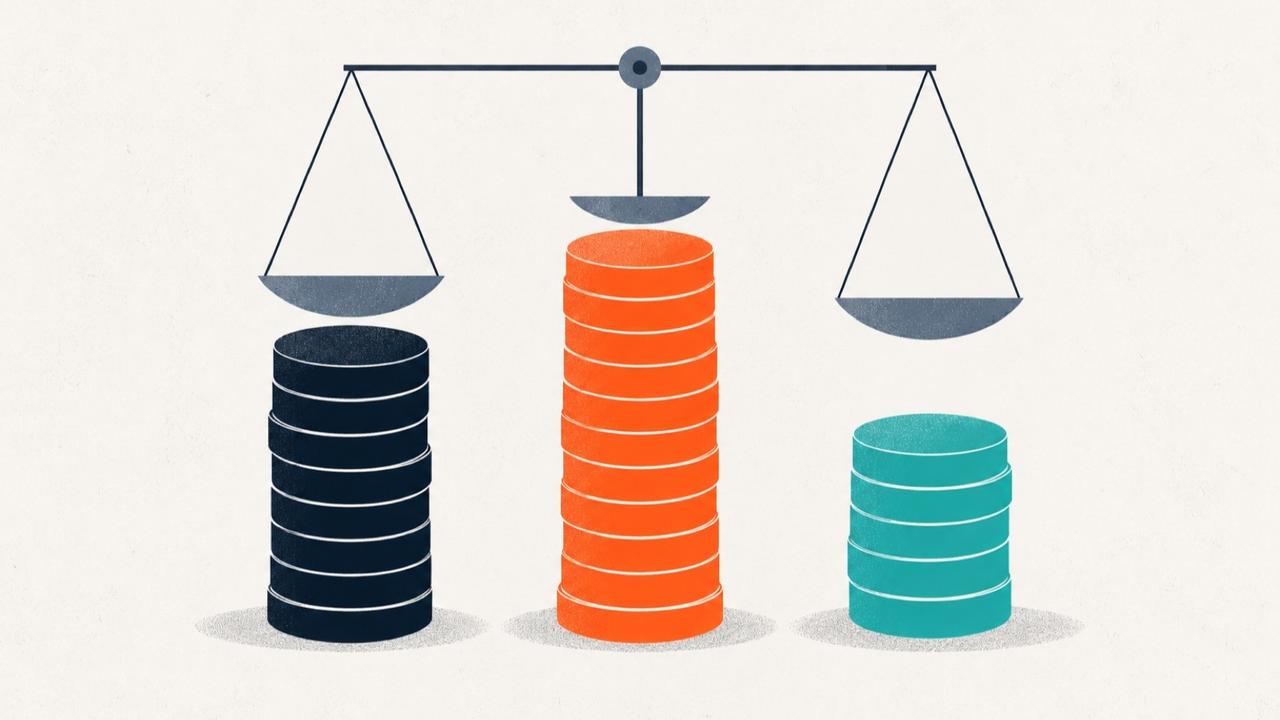
Three models and who they suit#
Per project. You quote a fixed price for a defined piece of work. Clients like it because they know what they'll pay. It suits work with a clear end: a brand identity, a website, a campaign. The risk is all yours – if the project takes longer, you absorb it.
Retainer. The client pays a monthly fee for an agreed amount of time or a set of ongoing services. It suits continuous work: content, social, ongoing design support. It gives you predictable income. The risk is that "an agreed amount of time" becomes "whatever we need this month".
Per seat or per head. Less common in agencies, but growing: the client pays for a dedicated person or team, usually monthly. It suits clients who want embedded capacity. It's simple to bill, and it shifts the risk of scope back to the client.
Most agencies end up with a mix: projects for new clients, retainers for the ones who stay. That's fine. What matters is knowing which model each client is on and pricing the risks accordingly.
The hidden cost of unlimited revisions#
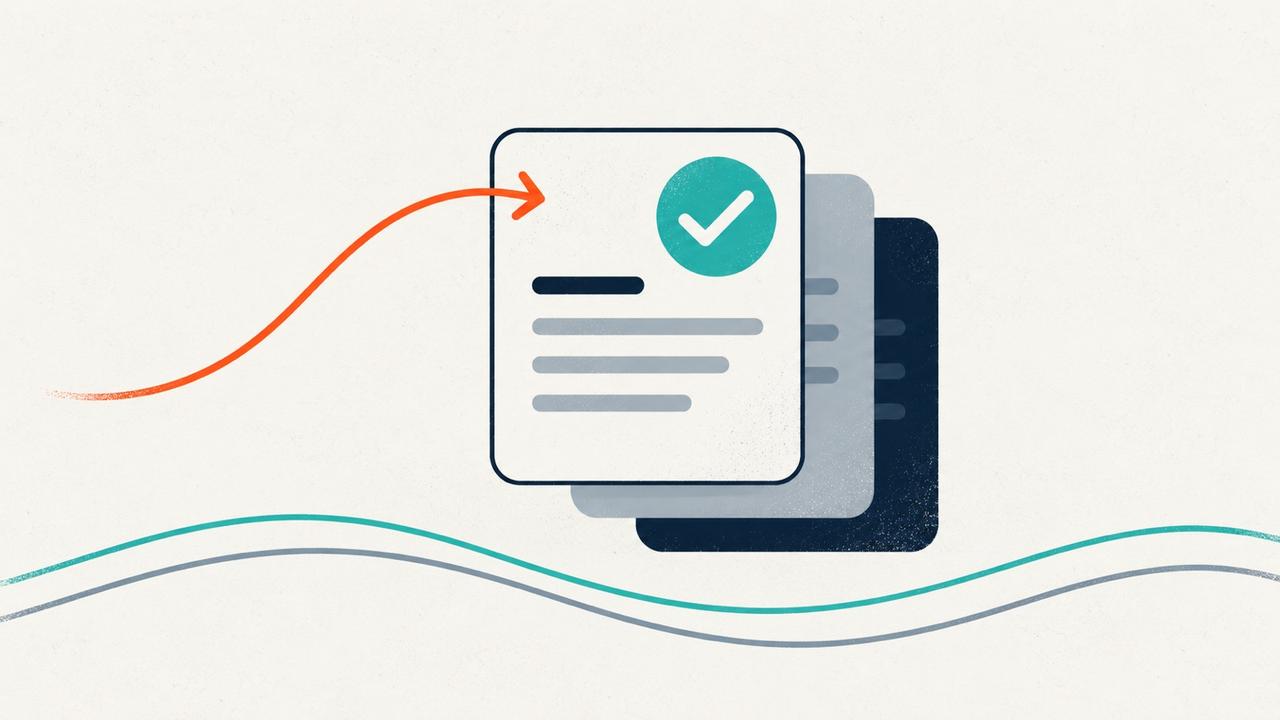
"Unlimited revisions" sounds generous and wins pitches. It's also the single most expensive line in most agency proposals.
Unlimited revisions don't make clients unreasonable. They make clients relaxed. When there's no limit, there's no reason to collect feedback before sending it, to agree internally first or to decide quickly. The feedback arrives in pieces, from different people, over weeks.
The fix isn't to be stingy. It's to be specific. Two or three rounds of revisions per deliverable is enough for almost every project, and naming the number changes how clients review: they collect feedback, they agree internally, and they send one clear set of notes.
How to price review rounds#
Once you've named the number of rounds, you need to know what an extra round costs. A simple way to work it out:
- Look at your last five projects and count the revision rounds per deliverable.
- Estimate the hours per round: design changes, internal review, project management.
- Multiply by your blended hourly rate.
That's the price of one extra round. Put it in the proposal. Most clients will never use it, but seeing it makes the included rounds feel like what they are – something with a value.
Some agencies go further and offer a "fast feedback" discount: the client gets a lower price if they commit to replying within two working days. It sounds odd, but it works, because it prices what actually costs you money – waiting.
Moving a client from project to retainer#
The best retainer clients usually start as project clients. You've worked together, you know how they make decisions, and they trust you. The question is when to suggest a retainer.
A good moment is the end of a successful project, when the client asks "can you also help with…". That's a sign of ongoing need. Instead of quoting another project, show them what the next three months of work would look like as a retainer, with a price that's slightly lower per hour than project work.
Be clear about what's included. A retainer that says "design support, 20 hours a month" works. A retainer that says "design support as needed" becomes a free-for-all within two months.
And track it. Share a simple monthly summary of what was done and how many hours were used. Clients who can see the value renew; clients who can't, don't.
A pricing page for an agency?#
Most agencies don't publish prices, and for custom work that makes sense. But publishing starting prices – "brand identity from $12,000", "websites from $20,000" – does something useful: it filters out leads who were never going to fit.
It also makes the sales conversation easier. The client arrives knowing roughly what to expect, so the first call is about the project, not about whether they can afford you.
If publishing prices feels too exposed, try a middle ground: a page that explains how you price, with one or two example projects and what they cost. It sets expectations without committing you to a rate card.
Review your pricing once a year#
Pricing isn't a decision you make once. Costs change, your team gets faster at some things and slower at others, and the clients you attract change as your work does. A yearly review keeps your prices tied to reality.
Look at the projects you finished in the last twelve months. Which ones made money, and which ones lost it? The losses usually share a cause: too many review rounds, a scope that grew without a change request, or a model that didn't fit the client. Fix the cause in your proposals, not just the price.
Whatever model you choose, the principle is the same: price the risks, not just the hours. The hours are easy to estimate. The waiting, the extra rounds and the "small changes" are where the money goes.